Protecting Cash Flow and Managing Holding Costs
Managing your investment property
When mortgage repayments, insurance, rates, body corporate levies and maintenance costs increase, every preventable loss of income becomes more significant to a landlord.
A proactive property-management approach should include:
- reviewing the property’s rent against current comparable rental evidence
- recording the date of the last rent increase and identifying the next lawful review date
- commencing renewal or reletting planning well before the tenancy expires
- monitoring arrears closely and acting promptly under the prescribed process
- reviewing maintenance requests before minor problems become expensive repairs
- checking whether eligible water-consumption charges are being recovered correctly
- providing owners with clear income and expense reporting
- identifying maintenance jobs before they become costly repairs.
Queensland rent cannot generally be increased unless at least 12 months has passed since the current rent became payable. The restriction applies to the property, even where there has been a change of tenant, owner or managing agent. Good recordkeeping and forward planning are therefore essential.
This does not mean automatically increasing the rent by the largest possible amount. The recommended rent should consider comparable properties, tenant retention, the cost of vacancy, the property’s presentation and the likely depth of demand.
A reliable tenant paying a sustainable market rent may produce a stronger annual result than a higher advertised rent followed by vacancy, repeated advertising or frequent tenant turnover.
Recovering legitimate property expenses
Water consumption is one area where small administrative errors can reduce the owner’s return.
Where a property is individually metered, meets the required water-efficiency standard and the tenancy agreement provides for water consumption to be charged, eligible consumption costs may be passed to the tenant. However, the tenant must be given the relevant bill within four weeks of the property manager or owner receiving it.
The property manager should therefore maintain:
- evidence of water-efficiency compliance
- accurate entry and exit meter readings
- clear tenancy-agreement terms
- a reliable process for issuing water invoices within the required timeframe.
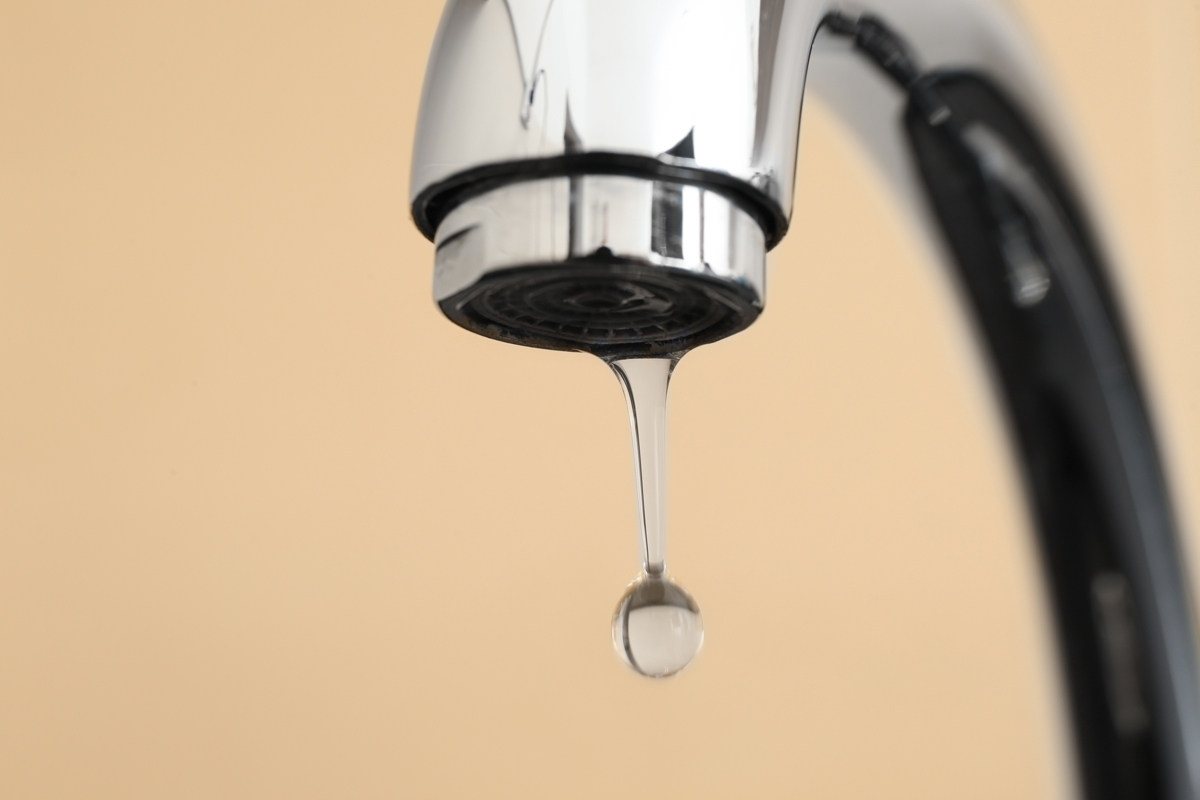
If it looks like there are leaks and the water bill is running high, the team at McDermott Residential will ensure we get a plumber to check the system and try to identify the problem.
If you would like us to do an Investment Property Health Check to ensure all maintenance and repairs are up to date, please speak to your Property Manager.
With items that require compliance checks such as Smoke Alarms, these will be performed with the required frequency. We will make recommendations regarding the Smoke Alarm compliance subscription to cover unexpected call-outs, repairs and regular compliance checks.
You might also be interested in

Sep 1, 2026
Protecting Your Investment Property in a Changing Market
Queensland property investors are currently managing several competing pressures – mortgage and holding costs, changes to negative gearing and capital gains tax, tenancy-law compliance, and increasing

Sep 1, 2026
Principal's Report for September 2026
This newsletter focusses on what our Property Managers are doing to manage your property and keep it in 'peak condition', since there have been recent Federal Government tax amendments and ongoing cha